
Best Practices October 12, 2026
IT Asset Logistics: What It Covers and Who Owns Each Step
IT asset logistics from receiving dock to ITAD, and who owns each handoff.
 Nick Herrera
Blog
Expert perspectives on IT logistics, data center moves, and infrastructure best practices.
IT asset logistics from receiving dock to ITAD, and who owns each handoff.
Nick Herrera 
The fields an IT asset inventory needs, with an example value for each.
Nick Herrera 
Anti-static packing done right: which bag, which foam, and what needs neither.
Nick Herrera 
When servers need climate controlled transportation, and what to ask for.
Nick Herrera 
GPU server transportation: weight, shock, value, and how to ship them safely.
Nick Herrera 
MDF vs IDF: the main telecom room, the floor closets, and the cable between.
Nick Herrera 
What a server removal company does and the paperwork you should get back.
Nick Herrera 
Data center relocation equipment, from rack dollies to air-ride trucks.
Nick Herrera 
Most IT shipments need an unarmed escort. Some need armed security escorts.
Nick Herrera 
Secure tech transport is a set of controls, not a word on a quote.
Nick Herrera 
Disaster recovery warehousing is about distance, access, and release time.
Nick Herrera 
Reopening forty stores after a storm is a hardware logistics problem.
Nick Herrera 
The office move ends when the network works, not when the desks arrive.
Nick Herrera 
Cold servers in a warm room collect water before they collect uptime.
Nick Herrera 
A rack that is not anchored becomes the hazard in an earthquake.
Nick Herrera 
A move of two hundred feet still needs a work order, a route and a new circuit.
Nick Herrera 
Cargo theft needs an unattended trailer or the wrong driver at the dock.
Nick Herrera 
Moving the servers out is half the exit. The lease decides the other half.
Nick Herrera 
A crew with the wrong certificate does not get past the loading dock.
Nick Herrera 
The regulations that govern the truck decide when your equipment arrives.
Nick Herrera 
Forty small sites with no IT staff fail differently than one big data center.
Nick Herrera 
A replacement server does no good parked behind a roadblock.
Nick Herrera 
A server room below the flood line is a recovery plan waiting to be used.
Nick Herrera 
Hardware that leaves before the roads close is hardware you still own.
Nick Herrera 
A lessons-learned document nobody acts on is just a list of excuses.
Nick Herrera 
Rollback is easy on paper and hard once the servers are on a truck.
Nick Herrera 
A planned outage nobody was told about is an unplanned outage.
Nick Herrera 
Most move-day failures were decided ninety days earlier.
Nick Herrera 
A generator's runtime is set by the fuel you can actually get, not the tank.
Nick Herrera 
After ransomware, the servers you have may be evidence, not recovery targets.
Nick Herrera 
Once a storm has a name, the time to prepare has mostly passed.
Nick Herrera 
A four-hour RTO that needs new hardware is a promise nobody has priced.
Nick Herrera 
Criminal justice data does not get a relaxed standard because it is on a truck.
Nick Herrera 
The lessor wants the hardware back. Your data should stay behind.
Nick Herrera 
Your auditor will ask about the move. Collect the answers during it.
Nick Herrera 
A custody form is only as good as its weakest handoff.
Nick Herrera 
Shut down from the top of the stack. Bring it back from the bottom.
Nick Herrera 
A risk nobody wrote down has no owner when it happens.
Nick Herrera 
The firm that wins the bid is not always the firm that shows up.
Nick Herrera 
The truck is the short part. The months before it decide the date.
Nick Herrera 
Standard freight delivers to a dock. Everything after that is scope.
Nick Herrera 
Migrating a storage estate without first measuring it moves the problem.
Nick Herrera 
A GPU rack can draw more than an entire row of conventional servers.
Nick Herrera 
Edge sites fail on power, access, and temperature long before hardware.
Nick Herrera 
A seal does not prevent access. It proves access happened.
Nick Herrera 
The right sanitization method depends on the media, not the policy.
Nick Herrera 
A certificate that cannot name serial numbers proves almost nothing.
Nick Herrera 
Running hardware past warranty is a decision, even when nobody makes it.
Nick Herrera 
The three-year refresh is an accounting convention, not an engineering one.
Nick Herrera 
Liability for a retired drive does not transfer with the truck.
Nick Herrera 
Discovery tools find what is powered on. They miss what matters most.
Nick Herrera 
An asset tag that falls off in transit takes the audit trail with it.
Nick Herrera 
The freight quote is the smallest line item in a relocation budget.
Nick Herrera 
Hardware arrives at the new site. Its support coverage often does not.
Nick Herrera 
Most transit damage happens to equipment that was packed by hand, badly.
Nick Herrera 
A recovery plan that assumes replacement hardware is available is a guess.
Nick Herrera 
What survives a flood or a fire depends mostly on the first 48 hours.
Nick Herrera 
A four-hour SLA means nothing if the part is three weeks from your site.
Nick Herrera 
Cooling equipment leaves a facility under environmental law, not IT policy.
Nick Herrera 
Every person on the floor is an access decision someone has to own.
Nick Herrera 
Batteries are regulated dangerous goods, and the rules differ by chemistry.
Nick Herrera 
The route from the truck to the rack position is where moves get stuck.
Nick Herrera 
Liquid cooling turns a rack move into a plumbing project.
Nick Herrera 
The rack fits the space. The question is whether the floor holds it.
Nick Herrera 
Security certifications describe the freight controls buyers keep asking for.
Nick Herrera 
Liability for improperly disposed equipment follows you, not the hauler.
Nick Herrera 
Loose media is the highest-risk, lowest-visibility part of any equipment move.
Nick Herrera 
A runbook written once describes an environment that no longer exists.
Nick Herrera 
A DR site is a production build with a harder problem: keeping it current.
Nick Herrera 
Vague scope produces bids you cannot compare and change orders you cannot refuse
Nick Herrera 
One authoritative record, or six spreadsheets that disagree with each other.
Nick Herrera 
How to plan a storage array move: shutdown order, drives, weight, fabric.
Nick Herrera 
Deracking is the easy part. Everything that makes it safe happens earlier.
Nick Herrera 
The approach is chosen by outage tolerance and budget, not by preference.
Nick Herrera 
Consolidation is many migrations sharing one destination and one deadline.
Nick Herrera 
A loaded chassis is a quarter ton in four rack units. Weight drives the plan.
Nick Herrera 
Destroying data under hold is a problem no certificate will resolve.
Nick Herrera 
Cleared personnel and classified spaces change who can touch the equipment.
Nick Herrera 
Declaring a disaster is a decision. Executing one is a logistics problem.
Nick Herrera 
HCI ties compute and storage to the same nodes. Move order is not cosmetic.
Nick Herrera 
Coverage is easy. Capacity, roaming, and interference are the hard parts.
Nick Herrera 
The cable plant is poured concrete. You get one chance to do it right.
Nick Herrera 
The provider inherits your site access, hardware, and compliance duties.
Nick Herrera 
Carrier liability is set by weight. Your equipment is not priced by weight.
Nick Herrera 
Distance buys independence and costs latency. Both are measurable.
Nick Herrera 
Prefabricated capacity trades cost for speed. The tradeoff is site readiness.
Nick Herrera 
Telecom rooms carry the carrier demarc. They set the schedule, not the servers.
Nick Herrera 
Fiber fails quietly. The damage shows up as degraded links, not dead ones.
Nick Herrera 
How to receive, rack and cable a new facility without losing the schedule.
Nick Herrera 
What changes when IT equipment and data cross a national border.
Nick Herrera 
Powering on is not the same as working. What to test before releasing.
Nick Herrera 
How your IT team maps application dependencies and turns them into move groups.
Nick Herrera 
How hot, warm and cold standby sites compare on recovery time, cost and upkeep.
Nick Herrera 
Standing up interim capacity when origin and destination must both run.
Nick Herrera 
What auditors ask for after a migration, and how to capture it during one.
Nick Herrera 
Recovery time is usually consumed by sourcing and shipping, not engineering.
Nick Herrera 
How decisions, communication, and escalation actually work during execution.
Nick Herrera 
Labeling and port mapping practices that hold up when everything is unplugged.
Nick Herrera 
Why mainframe moves follow different rules than the rest of the floor.
Nick Herrera 
Moving storage networks while keeping every host on at least one working path.
Nick Herrera 
How to move a tape library and its media without damaging robotics or tapes.
Nick Herrera 
When an IT shipment needs a security escort, what it provides, how it's logged.
Nick Herrera 
Why most DR tests pass and most DR events fail, and how to close that gap.
Nick Herrera 
The site survey is where migration risk is found or missed entirely.
Nick Herrera 
How to plan the physical side of bringing workloads back from public cloud.
Nick Herrera 
How to move GPU and AI clusters: weight, power, liquid cooling and bring-up.
Nick Herrera 
Parallel, rolling and blue-green migrations, and who does which part.
Nick Herrera 
What HIPAA, PCI DSS, SOX, GDPR, FedRAMP and ITAR add to a data center move.
Nick Herrera 
Power and cooling best practices for data center relocations.
Nick Herrera 
The five phases of the IT asset lifecycle and what each one should record.
Nick Herrera 
Distance, hazards, power, carriers and access: how to pick a DR site location.
Nick Herrera 
How IT teams plan storage migrations, and where the physical array move fits.
Nick Herrera 
A five-phase plan for replacing switches, routers and cabling without outages.
Nick Herrera 
How to decide whether an aging server should be retired or redeployed.
Nick Herrera 
How to keep an unbroken custody record for every asset in a data center move.
Nick Herrera 
Navigate the logistics of combining two IT environments after M&A.
Nick Herrera 
How to keep IT asset records accurate from the receiving dock to disposition.
Nick Herrera 
Complete process for safely decommissioning a data center facility.
Nick Herrera 
Master the logistics challenges of deploying edge computing infrastructure.
Nick Herrera 
How to retire IT assets securely and sustainably: destruction, reuse, recycling.
Nick Herrera 
How SOX and PCI DSS shape moving, storing and retiring financial IT equipment.
Nick Herrera 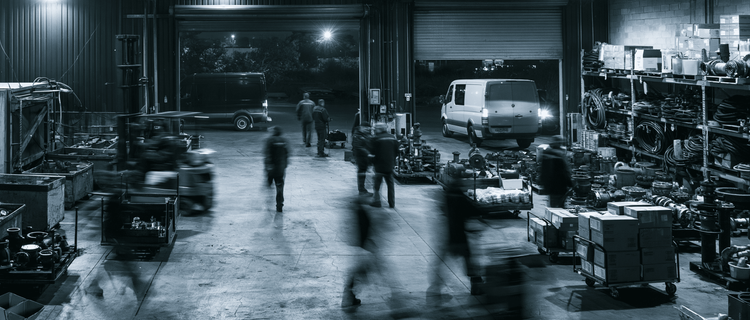
How to document every handoff when data-bearing IT equipment leaves your site.
Nick Herrera 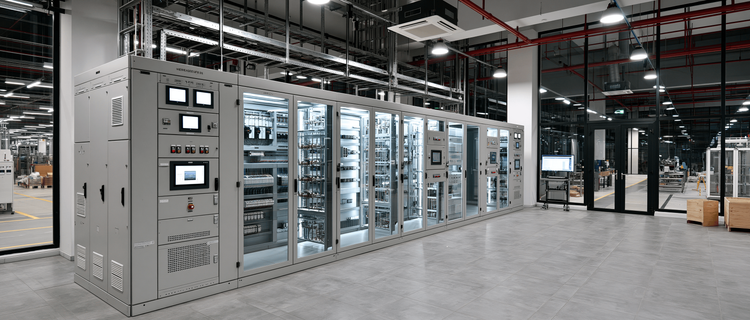
How to plan a colocation migration: facility choice, timeline, move day, checks.
Nick Herrera 
Navigate HIPAA compliance for healthcare IT equipment logistics.
Nick Herrera 
When to refresh enterprise servers and how to plan the swap and retirement.
Nick Herrera 
How to relocate switches, routers and cabling while keeping the network up.
Nick Herrera 
Plan your disaster recovery site with the right hardware and logistics.
Nick Herrera 
NIST SP 800-88 explained: Clear, Purge and Destroy, by media type.
Nick Herrera 
How a data center relocation works: survey, strategy, transport and validation.
Nick Herrera Stay informed
Our team is ready to help with your data center relocation and infrastructure needs.